Errors have been detected in Outlook OST file means Outlook found corruption in the offline copy of your mailbox. Four methods check Event ID 2000 in Event Viewer, delete the file for a fresh download from Exchange Server, add a new profile and use recovery software. Scanost.exe is no longer available since Outlook 2010 and the error can return after you recreate the file. Move the OST file to another folder before you delete it.
Outlook shows errors have been detected in the OST file when it finds corruption in the offline copy of your mailbox. Outlook names the file path in the message.
This guide explains four fixes from an Event Viewer check to software that recovers the mail.
Microsoft documents the error in its troubleshooting article for the OST file.
What Does Microsoft Say About This Error?
Microsoft's article gives the cause and the fix. Four clues come from Microsoft:
- Message. Microsoft's article applies to Outlook 2019, Outlook 2016, Outlook 2013 and Outlook for Microsoft 365. Outlook names the OST file path in the error.
- Event log. Microsoft states the Application event log shows an event with ID 2000.
- Cause and fix. Microsoft states corruption is detected in your offline Outlook Data File and lists deleting the file as the fix. Outlook redownloads the information from Microsoft Exchange Server.
- ScanOST. Microsoft states Scanost.exe is no longer available starting in Outlook 2010.
- Repeat error. The error can return after you delete and recreate the OST file.
Microsoft states Scanost.exe was the tool for OST errors in earlier Outlook versions. Deleting the file replaced it.
Which Symptom do You See?
Find your symptom in the list:
| Your Symptom | Check This | Method |
|---|---|---|
| Error shows a path ending in .ost | Event Viewer | Method #1 |
| Event ID 2000 appears | Delete the file | Method #2 |
| Error returns after the delete | New profile | Method #3 |
| Outlook cannot open the file | Recovery software | Method #4 |
4 Ways to Fix Errors Have Been Detected in Outlook OST File
Methods 1 to 3 need only Windows and Outlook. Software handles Method 4:
| Procedure | Restriction |
|---|---|
| Event Viewer Check | Windows Event Viewer |
| Delete the OST File | Exchange account |
| New Profile | Repeat error |
| Recovery Software | Demo cap |
Method #1: Confirm Event ID 2000 in Event Viewer (Free)
Microsoft lists Event Viewer as a check for this error. Six steps open the log:
- Open Control Panel and select Administrative Tools.
- Double click Event Viewer.
- Select Application under Windows Logs in the left pane.
- Select Filter Current Log in the Actions pane.
- Enter 2000 in the filter dialog box and press OK.
- Look for an event with ID 2000.
Note: Microsoft's article states you receive this error in Outlook 2013 or later and the event appears in the Application log.
Method #2: Delete the OST File for a Fresh Download (Free)
Microsoft's article lists deleting the file as the resolution. Five steps follow it:
- Close Outlook.
- Press Windows + R and enter
%localappdata%\Microsoft\outlook. - Find the OST file named in the error message.
- Delete the file.
- Start Outlook and wait while the mailbox downloads.
Note: Move the file to another folder instead of deleting it when you want a copy to restore.
Method #3: Set up a New Profile for the Repeat Error (Free)
New profile fixes the repeat error. Six steps create it:
- Close Outlook.
- Open Mail in Control Panel and select Show Profiles.
- Press Add and name the profile.
- Add your account and finish the wizard.
- Set Always use this profile to the new profile.
- Start Outlook and wait until the status bar says All folders are up to date.
Note: Do not copy or attach the old OST file. Remove the old profile once Outlook is stable.
Method #4: Recover the Mail From the OST File With EmailDoctor OST File Recovery Tool (Trial Limit Applies)
EmailDoctor OST File Recovery Tool recovers mail from OST files and needs no Exchange Server. Work with a duplicate of the OST file.
Add the OST Copy
Three steps add the copy:
- Open the software and look at the home screen.
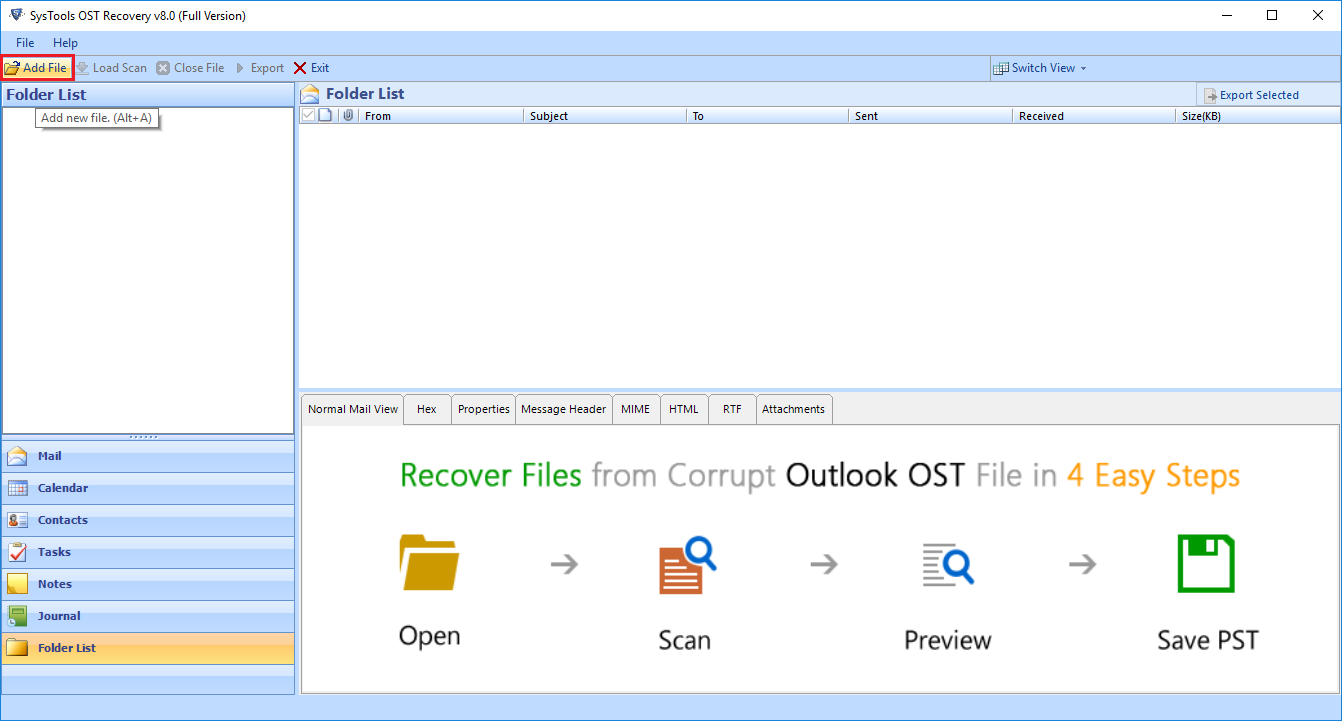
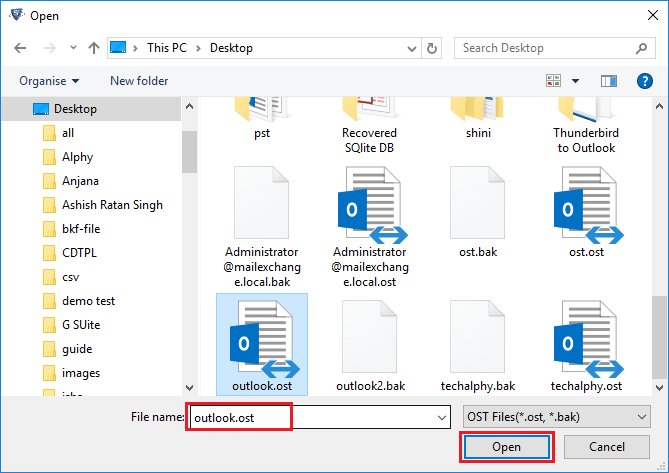
- Select Add File and locate the OST copy in the file window.
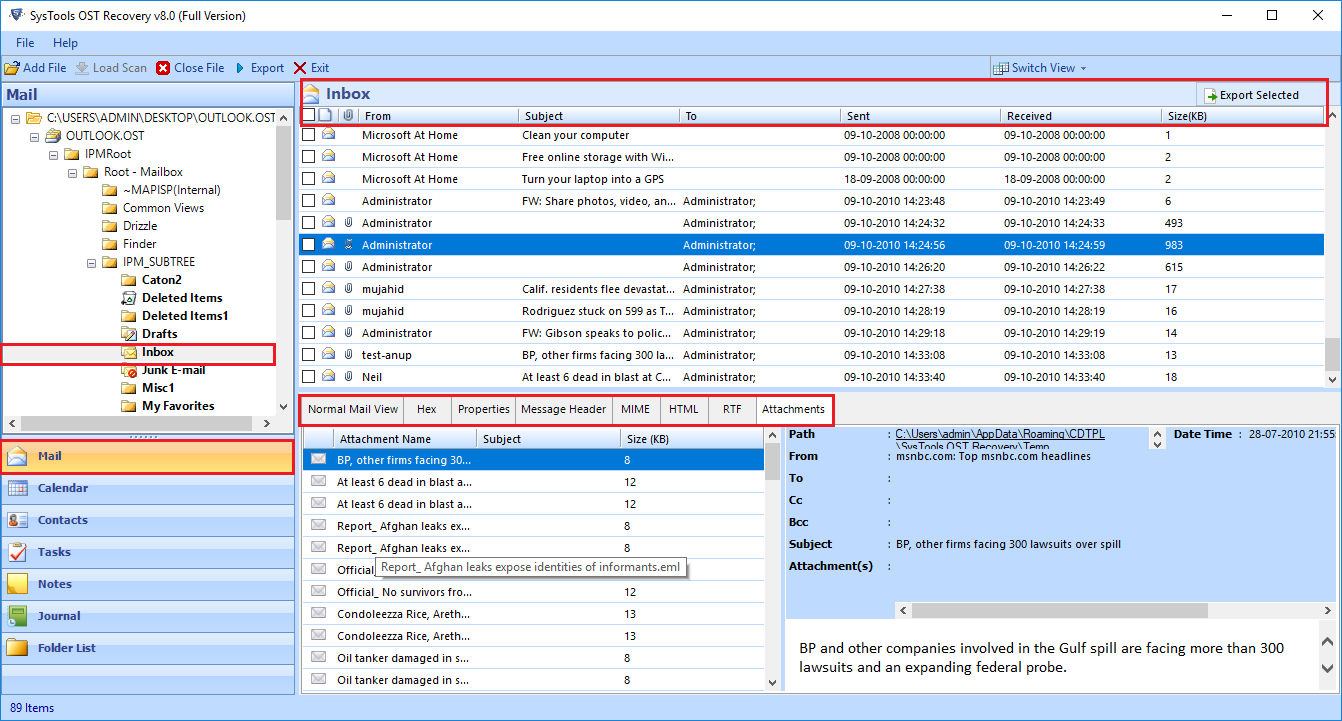
- Choose Quick Scan or Advance Scan after the file is added.
Check the Folders and Export the Mail
Three steps finish the recovery:
- Review the folders and the preview panel.
- Open Export and choose a format. Formats include PST, EML, MSG, HTML, PDF and M365.
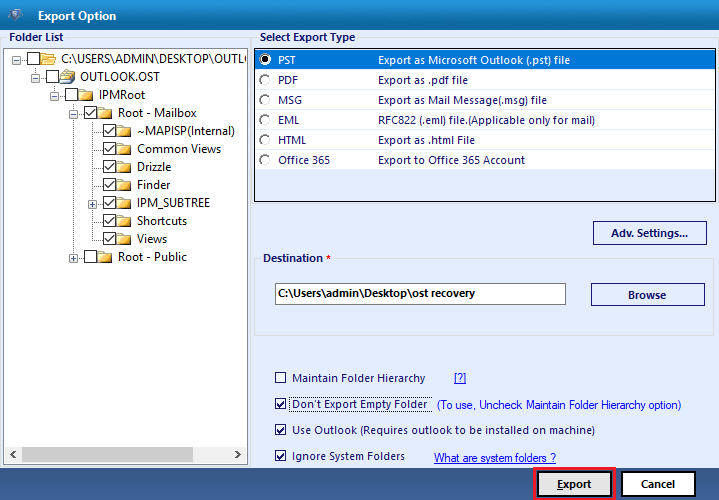
- Select the output folder and start the export.
Note: Outlook is needed only for the Use Outlook option that saves PST files. Demo saves 25 emails per folder.
What Does Your Outcome Imply?
Match your outcome to the list:
| Observed Outcome | Implication | Move |
|---|---|---|
| Event ID 2000 appears | Points to a corrupt OST file | Method #2 |
| Outlook downloads the mailbox again | Points to a new OST file | Open a few folders |
| Error returns after the new file | Points to a repeating fault | Method #3 |
| Error stops in the new profile | Points to the old profile | Remove the old profile |
| Outlook cannot open the file | Points to an unreadable OST file | Method #4 |
Frequently Asked Questions
What Does the OST Error Message Mean?
Outlook found corruption in your offline Outlook Data File according to Microsoft.
Which Outlook Versions Show This Error?
Microsoft's article applies to Outlook 2019, Outlook 2016, Outlook 2013 and Outlook for Microsoft 365.
Which Folder Contains the Damaged File?
Microsoft's article points to %localappdata%\Microsoft\outlook. Find the file named in your error message.
Can I Use ScanOST?
No. Microsoft states Scanost.exe is no longer available starting in Outlook 2010.
Will Outlook Download the Mailbox Again?
Yes for an Exchange account. Microsoft states Outlook redownloads the information from Microsoft Exchange Server after you delete the file.
Does the New Profile Use the Old OST File?
No. Let Outlook download everything from the server and do not copy or attach the old OST file.
How Many Emails Does the Demo Save?
Demo exports are limited to 25 emails per folder.
Author’s Verdict
Confirm Event ID 2000 first because Microsoft ties the error to corruption in the OST file. Delete the file so Outlook builds a new copy.
Try the new profile when the error repeats. Choose recovery software when the file never opens.
Move the OST file into another folder before you delete it.
- Check Event ID 2000 in Event Viewer.
- Delete the OST file for a fresh mailbox download.
- Set up a new profile for a repeat error.
- Recovery software exports mail from an unreadable file.
Next Read: Errors Detected in Outlook PST File
Also Read: Can SCANPST Scan an OST File | Outlook Keeps Asking to Repair OST File